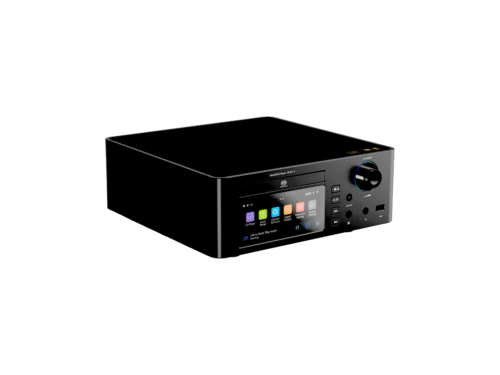
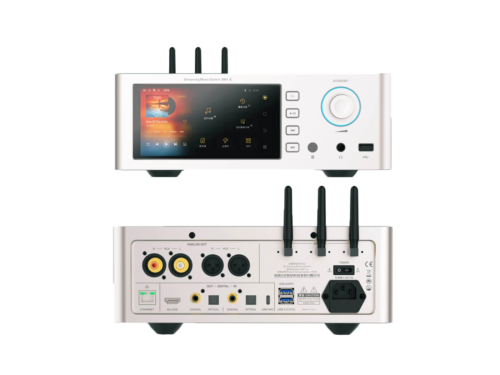
Unlike traditional single-purpose components such as CD players, media players support a wide variety of digital formats and playback options. Many models can play content from USB drives, network storage devices, streaming services or connected computers.
Modern media players often include powerful processing hardware, high-quality digital outputs and compatibility with multiple media formats. This allows them to function as central playback devices for both music and video systems, making them a practical solution for listeners who rely on digital libraries and streaming platforms.
Explore Our Media Player Range
Media players are designed to bring together multiple forms of digital entertainment within a single device. Instead of relying on several separate components, a media player can access music files, video content and streaming platforms through one central interface.
These devices often support playback from USB storage devices, network-attached storage (NAS), local media libraries and internet streaming services. This flexibility makes media players particularly useful for households that store large collections of digital media files.
Many media players also include high-quality digital processing and support for a wide range of file formats. This allows them to handle music, movies and other digital content without requiring additional software or complex setup.
At Klapp AV, our range of media players includes devices designed to integrate smoothly with home theatre systems, stereo setups and digital audio networks, allowing users to enjoy their media collections with ease.
Why Buy Media Players from Klapp AV?
Klapp AV is an authorised retailer for leading home entertainment and hi-fi brands, ensuring that every media player we sell is genuine and supported by full manufacturer warranties. Our team has extensive experience with digital playback systems and can help recommend devices suited to your system and media requirements.
Our curated selection focuses on media players known for reliable performance, intuitive user interfaces and broad compatibility with modern digital media formats.
Customers can also visit our Malvern East showroom to discuss home entertainment and audio system setups with our knowledgeable staff. Klapp AV also provides free shipping on orders over $500, helping customers across Australia access premium media playback equipment.
Featured Media Player Brands
Klapp AV offers media players from respected manufacturers known for reliable digital playback and strong system integration.
Zidoo develops media players designed for high-performance video and audio playback.
Dune HD produces advanced media players with extensive format compatibility.
Nvidia offers streaming-focused media players known for powerful performance.
Apple creates media streaming devices with seamless ecosystem integration.
Zappiti produces high-end media players designed for home theatre environments.
Denon develops network-based media devices designed for home audio systems.
These brands prioritise stable playback performance, flexible media compatibility and user-friendly control interfaces.
How to Choose the Right Media Player
Choosing the right media player depends on how you plan to access and play your digital content.
- Media Format Support: Ensure the device supports the file formats you use.
- Storage Access: Consider whether you will use USB drives, NAS storage or streaming services.
- Audio and Video Outputs: Check compatibility with your amplifier or TV.
- Processing Power: Faster processors can improve navigation and playback performance.
- User Interface: A clear and responsive interface makes browsing media easier.
Selecting the right media player ensures your digital library can be accessed and enjoyed without unnecessary complexity.
Media Players vs Streaming Devices
Media players and streaming devices often perform similar functions, but their capabilities can differ significantly depending on the design.
Streaming devices typically focus on accessing online services such as Netflix, Spotify or YouTube. These devices rely primarily on internet connections and streaming platforms for content playback.
Media players, on the other hand, are often designed to handle locally stored digital files in addition to streaming services. This allows them to access media libraries stored on USB drives, network storage devices or personal computers.
For users who maintain extensive local collections of movies, music or digital media files, a dedicated media player can offer greater flexibility and broader format compatibility than standard streaming devices.
What File Formats Do Media Players Support?
One of the main advantages of media players is their ability to support a wide range of digital media formats. Many modern devices are designed to handle multiple audio and video file types without requiring conversion software.
Common supported audio formats include MP3, FLAC, WAV, AAC and ALAC. These formats cover both compressed audio files and high-resolution music formats used by audiophiles.
For video playback, media players often support formats such as MP4, MKV, AVI and MOV. Some devices also support high-resolution video formats and advanced audio codecs used in home theatre systems.
Checking format compatibility before purchasing a media player ensures the device will be able to handle your existing media library.
Need Help Choosing?
If you’re unsure which media player best suits your home entertainment system, the Klapp AV team can help. Our specialists can recommend media players that integrate with your TV, amplifier or hi-fi system. Contact us or visit our Malvern East showroom to explore the latest media players.