These low frequencies include everything from the rumble of cinematic explosions to the powerful bass lines found in modern music. By handling these demanding bass frequencies separately, subwoofers allow other speakers in the system to perform more efficiently and deliver clearer overall sound.
Modern subwoofers use powerful internal amplifiers, large drivers and carefully engineered enclosures to produce deep, controlled bass. Whether used in a home theatre system or a high-quality stereo setup, a well-designed subwoofer adds weight and dimension to the listening experience that smaller speakers alone cannot reproduce.
Explore Our Subwoofer Range
Subwoofers are designed to reproduce the lowest frequencies in an audio system, adding depth and impact that standard speakers often struggle to deliver. These low-frequency sounds are essential for creating a full and immersive listening experience, particularly when watching movies or listening to music with strong bass content.
Many modern subwoofers include built-in amplification and advanced driver designs that allow them to produce deep bass while maintaining control and accuracy. Larger drivers and carefully engineered enclosures help move greater volumes of air, which is necessary for reproducing powerful low-frequency sound.
Subwoofers are commonly used in home theatre systems where they add dramatic impact to cinematic effects such as explosions, thunder and orchestral soundtracks. They are also widely used in music systems to enhance bass response in genres such as electronic, hip-hop and rock.
At Klapp AV, our subwoofer range includes models suited to different room sizes and listening preferences, helping listeners achieve deeper and more balanced sound performance.
Why Buy Subwoofers from Klapp AV?
Klapp AV is an authorised retailer for leading audio brands, ensuring that every subwoofer we sell is genuine and backed by full manufacturer warranties. Our team specialises in high-performance home audio and can help you choose a subwoofer that integrates properly with your speakers and room environment.
Our curated range focuses on subwoofers known for deep bass performance, precise control and reliable amplifier design. Whether you are upgrading a home theatre system or adding bass reinforcement to a stereo setup, selecting the right subwoofer can dramatically improve overall sound quality.
Customers can visit our Malvern East showroom for expert advice and demonstrations of selected audio systems. Klapp AV also offers free shipping on orders over $500, making it easier for customers across Australia to access high-quality audio equipment.
Featured Subwoofer Brands
Klapp AV offers subwoofers from respected manufacturers known for their bass performance and acoustic engineering.
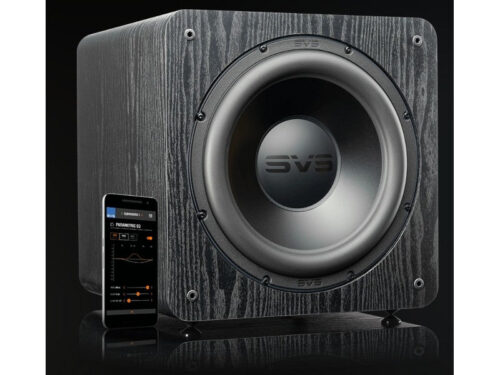
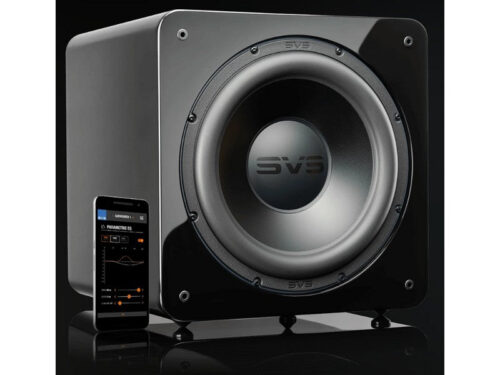
SVS produces high-performance subwoofers known for deep bass extension and powerful output.
REL specialises in musical subwoofers designed to integrate seamlessly with stereo speaker systems.
Klipsch creates dynamic subwoofers capable of delivering impactful bass for home theatre systems.
Bowers & Wilkins designs refined subwoofers focused on precision and controlled low-frequency reproduction.
KEF develops subwoofers with advanced driver technology and compact designs.
Polk Audio offers subwoofers designed to provide strong bass performance at accessible price points.
Each brand offers a unique approach to bass reproduction, allowing listeners to choose subwoofers that suit their system and listening preferences.
How to Choose the Right Subwoofer
Selecting the right subwoofer depends on several factors including room size, system type and listening preferences.
- Room Size: Larger rooms often require more powerful subwoofers to achieve deep bass levels.
- Driver Size: Larger drivers typically produce deeper bass, while smaller drivers may offer tighter bass response.
- Amplifier Power: Built-in amplifier strength influences how loud and deep the subwoofer can play.
- Placement Options: Consider where the subwoofer will be positioned in the room.
- System Integration: Ensure the subwoofer works well with your main speakers and receiver.
Choosing the right subwoofer ensures balanced bass that enhances your overall audio system rather than overpowering it.
Sealed vs Ported Subwoofers
Subwoofers generally fall into two main enclosure designs: sealed and ported. Each type offers different performance characteristics that may suit different listening preferences.
Sealed subwoofers use a completely enclosed cabinet without any ports or vents. This design typically produces tighter, more controlled bass that is well suited for music listening where accuracy and detail are important.
Ported subwoofers include a vent or port that allows air to move in and out of the enclosure. This design increases efficiency and allows the subwoofer to produce louder and deeper bass output, which is often preferred for home theatre systems and cinematic sound effects.
Neither design is inherently better than the other. The choice depends on whether the listener prioritises precision and musical accuracy or powerful bass output for movies and large rooms.
Where Should You Place a Subwoofer?
Subwoofer placement plays a major role in how bass frequencies are perceived in a room. Unlike higher frequencies, bass waves interact strongly with walls, floors and room dimensions, which can significantly affect how the subwoofer sounds.
Many home audio systems place the subwoofer near the front of the room, often close to the main speakers or television. However, the best placement may vary depending on the room layout and acoustic characteristics.
One common technique is the “subwoofer crawl,” where the subwoofer is temporarily placed in the listening position while bass-heavy audio is played. By moving around the room, listeners can identify locations where bass sounds the most balanced and powerful.
Proper placement helps ensure the subwoofer integrates smoothly with the rest of the speaker system and produces consistent bass throughout the listening area.
Need Help Choosing?
If you’re unsure which subwoofer is right for your system, the Klapp AV team can help. Our specialists can recommend subwoofers based on room size, speaker compatibility and listening preferences. Contact us or visit our Malvern East showroom to explore the latest subwoofer options.

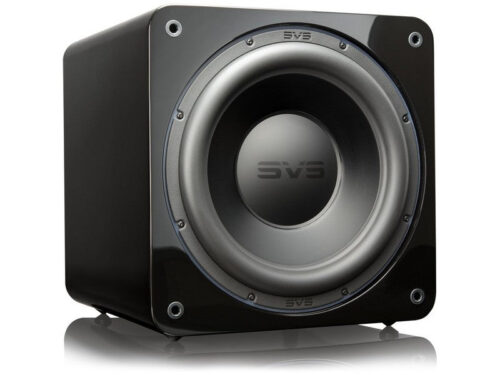
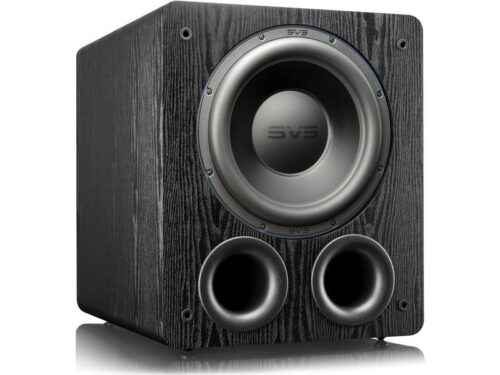


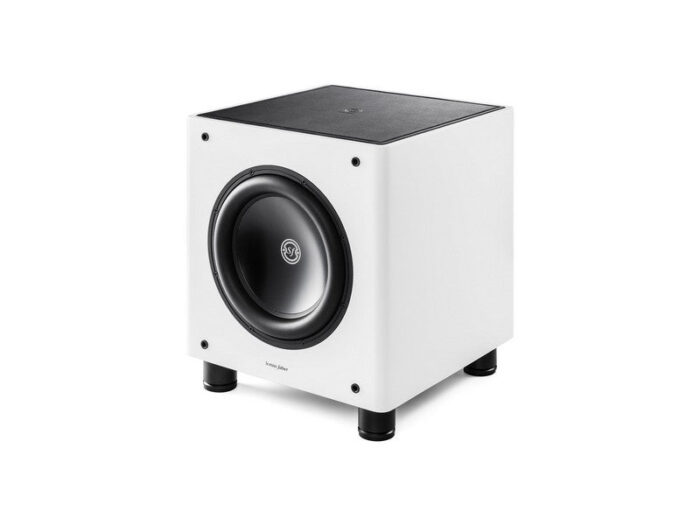

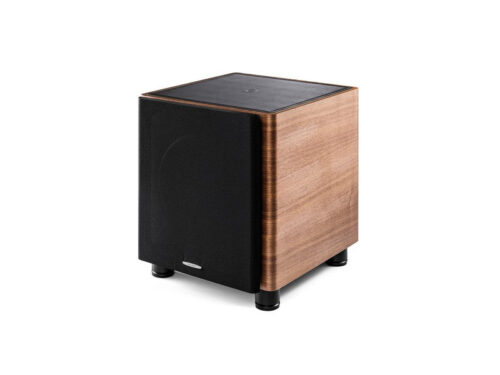
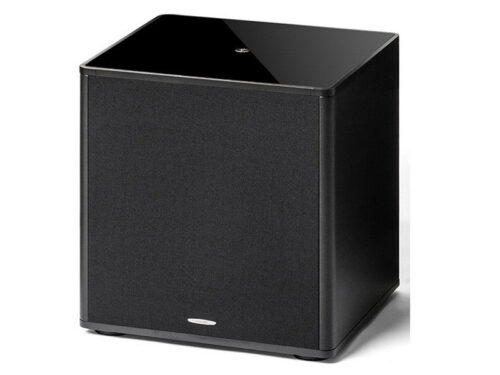


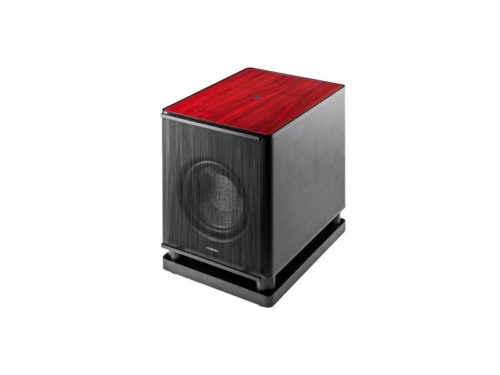





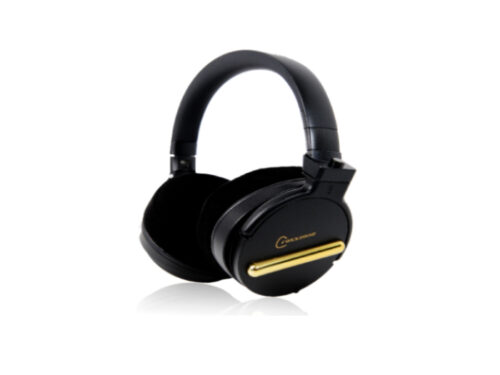 Crosszone CZ-12 Original price was: $1,499.00.$1,199.00Current price is: $1,199.00.
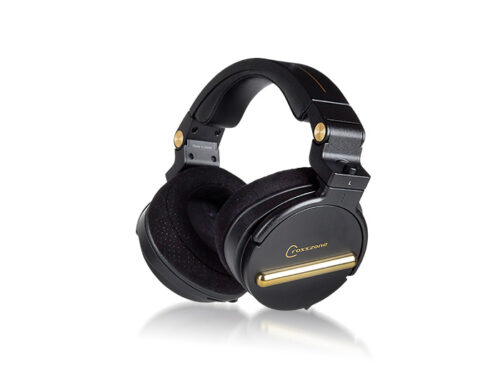 Crosszone CZ-10 Enhanced $1,499.00