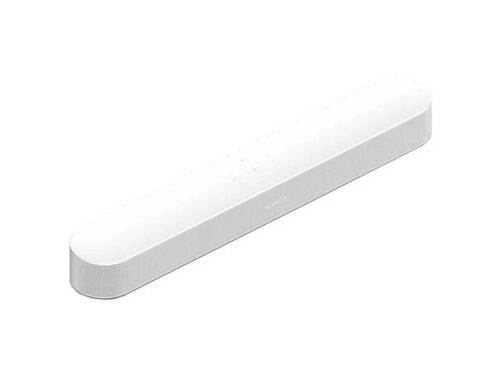
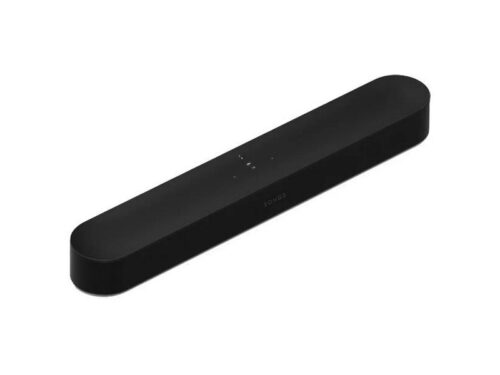
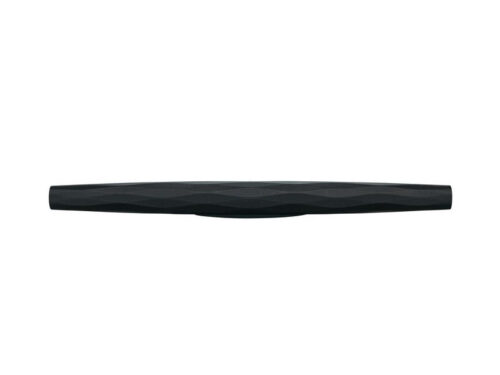
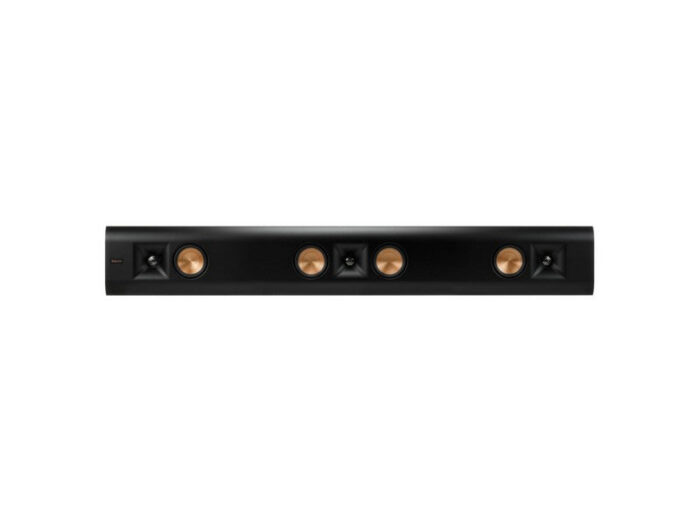
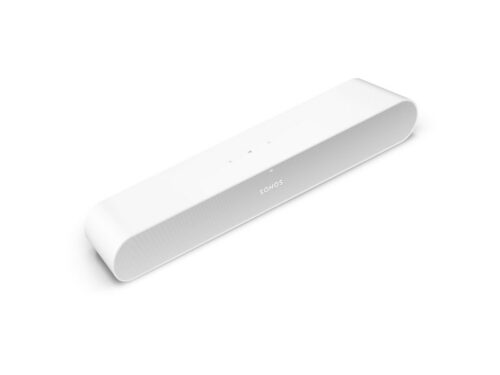
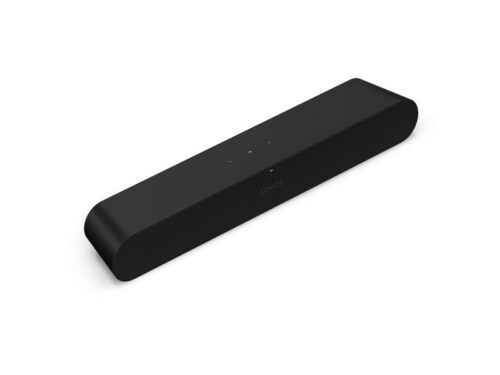
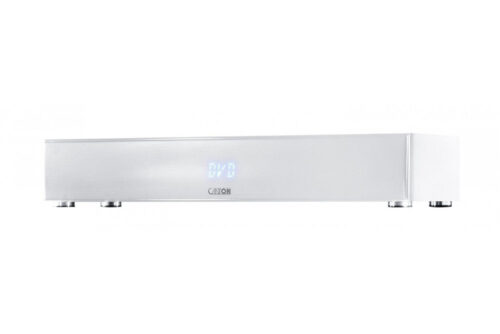
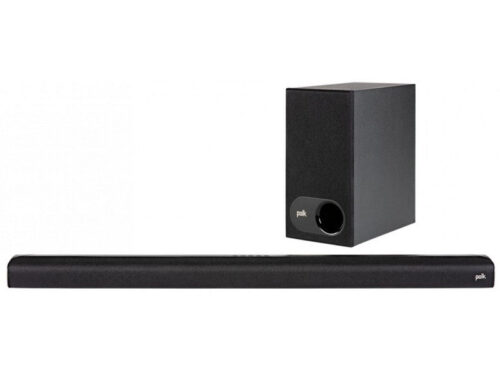
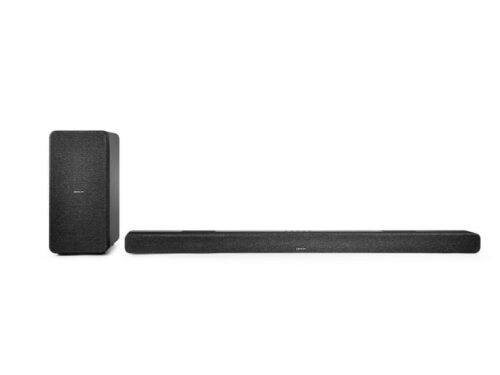
Modern soundbars often incorporate advanced audio technologies such as Dolby Atmos, DTS:X and virtual surround sound processing. These technologies help create a more immersive listening experience when watching movies, TV shows or playing games.
Because soundbars are designed to sit neatly beneath a television or mount on a wall, they offer a practical audio upgrade without the complexity of installing multiple speakers around the room. For many homes, a soundbar provides the ideal balance between improved sound performance and simple setup.
Explore Our Soundbar Range
Soundbars are one of the most popular ways to upgrade TV audio because they offer significantly better sound performance without requiring a complex home theatre system. Most televisions include very small built-in speakers that struggle to deliver clear dialogue, strong bass or a wide soundstage.
A soundbar solves this problem by housing multiple speakers inside a single unit designed specifically for cinematic sound. Many soundbars also include dedicated centre channels that improve dialogue clarity, making it easier to hear voices during movies and television shows.
Some soundbars are paired with wireless subwoofers to add deeper bass, while premium models include upward-firing speakers designed to create immersive Dolby Atmos surround sound effects.
At Klapp AV, our soundbar range includes models suitable for different room sizes, TV setups and listening preferences. Whether you want a simple TV audio upgrade or a more immersive home theatre experience, soundbars provide a convenient solution for improving entertainment sound quality.
Why Buy Soundbars from Klapp AV?
Klapp AV is an authorised retailer for leading audio brands, ensuring that every soundbar we sell is genuine and supported by full manufacturer warranties. Our team specialises in home entertainment audio and can help you select a soundbar that matches your television, room size and listening preferences.
Our carefully curated range focuses on soundbars known for strong dialogue clarity, immersive surround sound capabilities and reliable wireless connectivity. Many models support modern audio formats such as Dolby Atmos and DTS:X for enhanced movie and gaming experiences.
Customers can also visit our Malvern East showroom to explore different soundbar options and receive expert advice. Klapp AV also offers free shipping on orders over $500, making it easy for customers across Australia to upgrade their TV audio system.
Featured Soundbar Brands
Klapp AV offers soundbars from some of the most respected brands in home entertainment audio.
Sonos produces premium soundbars known for excellent sound quality and multi-room wireless integration.
Bose designs soundbars that prioritise dialogue clarity and elegant design.
Samsung offers advanced soundbars with Dolby Atmos and powerful wireless subwoofer systems.
Sony develops soundbars that combine cinematic sound processing with advanced connectivity features.
JBL produces dynamic soundbars capable of powerful bass and immersive audio performance.
Yamaha is known for soundbars that incorporate virtual surround sound technology.
These brands focus on delivering soundbars that improve television audio while remaining simple to install and use.
How to Choose the Right Soundbar
Selecting the right soundbar depends on several factors including room size, TV size and desired sound performance.
- Room Size: Larger rooms may benefit from soundbars with separate subwoofers or surround speakers.
- Audio Formats: Look for support for Dolby Atmos or DTS:X for immersive movie sound.
- Connectivity: HDMI ARC or eARC connections provide the best audio compatibility with modern TVs.
- Subwoofer Support: Some soundbars include wireless subwoofers for stronger bass performance.
- System Expansion: Certain soundbars allow additional surround speakers to be added later.
Understanding these factors helps ensure the soundbar you choose delivers the best listening experience for your home entertainment setup.
Soundbar vs Traditional Surround Sound System
Many people compare soundbars with traditional multi-speaker home theatre systems when upgrading their TV audio. Both options can significantly improve sound quality, but they offer different advantages.
A traditional surround sound system typically includes several separate speakers placed around the room along with a receiver and subwoofer. This setup can provide the most immersive audio experience but requires more space, wiring and installation.
Soundbars provide a much simpler alternative. By placing multiple speaker drivers inside a single cabinet and using advanced sound processing, soundbars can simulate surround sound without needing additional speakers throughout the room.
For many households, soundbars offer the ideal balance between convenience and performance. They deliver a major upgrade over built-in TV speakers while remaining easy to install and integrate with modern televisions.
Do You Need a Subwoofer with a Soundbar?
Many soundbars include built-in speakers capable of producing bass frequencies, but adding a dedicated subwoofer can significantly enhance low-frequency performance. Subwoofers are designed specifically to reproduce deep bass sounds that smaller speakers may struggle to produce.
For movie watching, strong bass adds impact to action scenes, explosions and cinematic sound effects. Music playback also benefits from deeper bass response that provides more fullness and energy to the listening experience.
Some soundbars include wireless subwoofers as part of the system, while others allow a compatible subwoofer to be added later. Wireless subwoofers are particularly convenient because they can be positioned in the room without requiring additional cables.
While not every setup requires a subwoofer, many listeners find that adding one creates a more immersive and balanced home entertainment audio experience.
Frequently Asked Questions
What is a soundbar?
A soundbar is a compact speaker system designed to improve the audio performance of televisions. Most modern televisions have very small built-in speakers that struggle to produce clear dialogue and strong bass, which can make movies and TV shows sound thin or difficult to understand.
Soundbars solve this problem by incorporating multiple speaker drivers into a single horizontal speaker cabinet that sits below the TV. These drivers are designed to reproduce different frequency ranges and create a wider soundstage than typical television speakers.
Many soundbars also include advanced digital processing technologies that simulate surround sound. This allows the soundbar to create a more immersive listening experience without needing multiple speakers placed around the room.
Because soundbars are simple to install and require minimal space, they have become one of the most popular ways to upgrade television audio in modern homes.
Do soundbars really improve TV sound?
Yes, soundbars can dramatically improve the sound quality of a television. Most TVs are designed with extremely thin cabinets, which limits the size and performance of the internal speakers. As a result, TV audio often lacks clarity, bass and overall volume.
Soundbars use larger drivers and more sophisticated acoustic design to deliver clearer dialogue, wider soundstage and stronger bass response. Many soundbars also include dedicated centre channels that improve speech clarity during movies and television programs.
For viewers who struggle to hear dialogue clearly, upgrading to a soundbar can make a significant difference. Soundbars also enhance music playback and gaming audio, making entertainment sound more engaging and dynamic.
Even entry-level soundbars typically outperform built-in TV speakers, making them one of the easiest upgrades for improving home entertainment sound.
Are soundbars better than TV speakers?
Soundbars are almost always significantly better than the speakers built into televisions. TV speakers are limited by the physical size of the television cabinet, which restricts how large the speaker drivers can be.
Because soundbars are designed specifically for audio performance, they can include larger drivers, better internal amplification and more advanced acoustic design. This allows them to produce clearer sound, deeper bass and a wider soundstage than most TV speakers.
Soundbars also often include features that televisions cannot provide on their own. These features may include Dolby Atmos surround sound processing, wireless subwoofers or multi-room streaming capabilities.
For anyone looking to improve their home entertainment experience, upgrading from built-in TV speakers to a soundbar is one of the simplest and most noticeable improvements available.
Can a soundbar replace a home theatre system?
For many people, a soundbar can serve as an excellent alternative to a traditional home theatre system. While a full surround sound system with multiple speakers can provide the most immersive audio experience, it also requires more equipment, wiring and installation effort.
Soundbars provide a simpler solution that still delivers significantly improved audio performance compared to TV speakers. Many modern soundbars include virtual surround sound processing and support formats such as Dolby Atmos, which help create a more immersive listening experience.
Some soundbars can also be expanded by adding wireless subwoofers or rear speakers. This allows users to gradually build a more advanced home theatre system without starting with a complex setup.
For smaller rooms or households that prefer convenience, soundbars offer an excellent balance between performance and simplicity.
How do you connect a soundbar to a TV?
Most modern soundbars connect to a television using HDMI ARC or HDMI eARC, which allows the TV to send audio signals directly to the soundbar through a single HDMI cable. This connection method also enables volume control through the television’s remote.
Optical audio connections are another common option, although they may not support some advanced audio formats available through HDMI. Bluetooth connectivity is also available on many soundbars, allowing music to be streamed directly from smartphones or tablets.
Some soundbars also include Wi-Fi connectivity for integration with streaming services and multi-room audio systems. The best connection option depends on the features of both the television and the soundbar.
Using HDMI ARC or eARC is generally recommended because it provides the most reliable audio performance and compatibility with modern audio formats.
Do soundbars work with any TV?
Most soundbars are designed to work with a wide range of televisions, including both modern smart TVs and older models. As long as the TV includes an audio output such as HDMI ARC, optical audio or Bluetooth, it can typically connect to a soundbar.
Modern TVs with HDMI ARC or eARC connections offer the easiest setup and best audio compatibility. This connection allows the soundbar to receive audio signals directly from the TV and enables convenient volume control using the TV remote.
For older televisions without HDMI ARC, optical audio connections provide a reliable alternative for transmitting sound to the soundbar.
Because soundbars are designed to be compatible with many different TV brands and models, they remain one of the most flexible and accessible upgrades for improving television audio performance.
Need Help Choosing?
If you’re unsure which soundbar is right for your TV or home entertainment setup, the Klapp AV team can help. Our specialists can recommend soundbars based on room size, TV compatibility and sound performance. Contact us or visit our Malvern East showroom to explore the latest soundbar options.