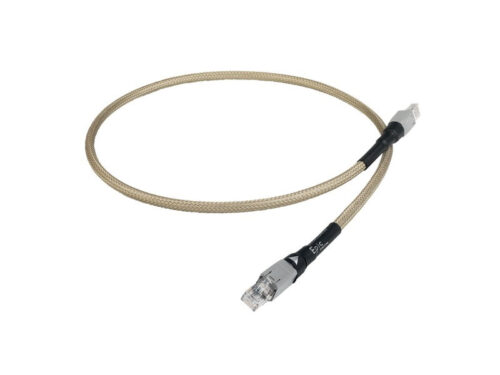
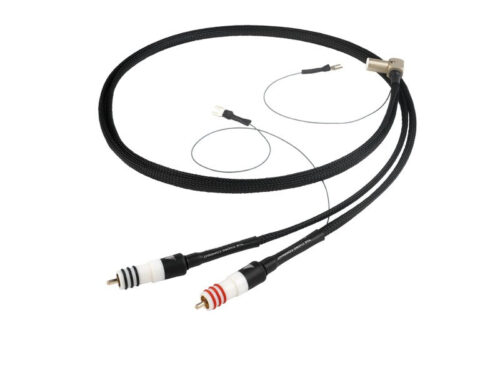
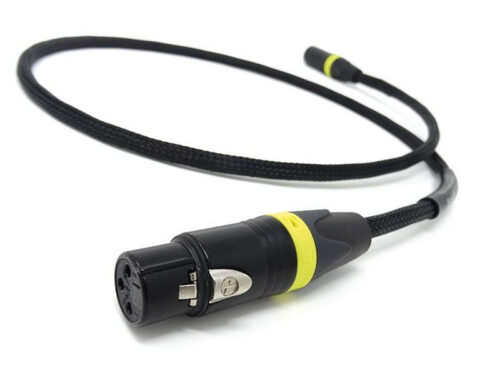
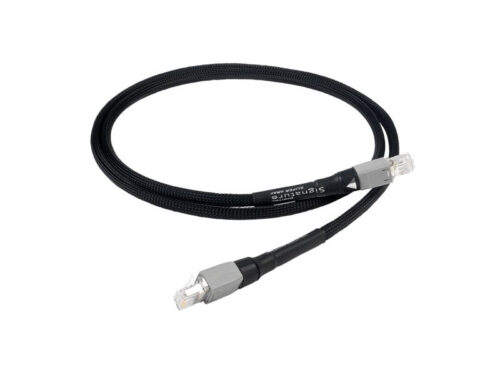
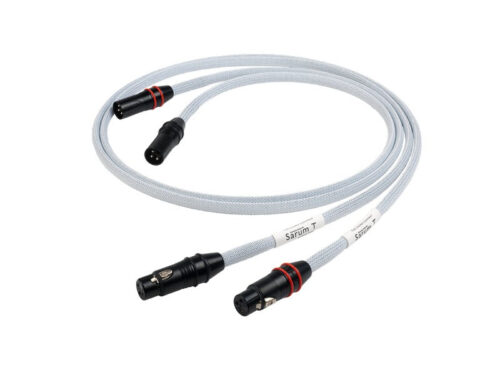
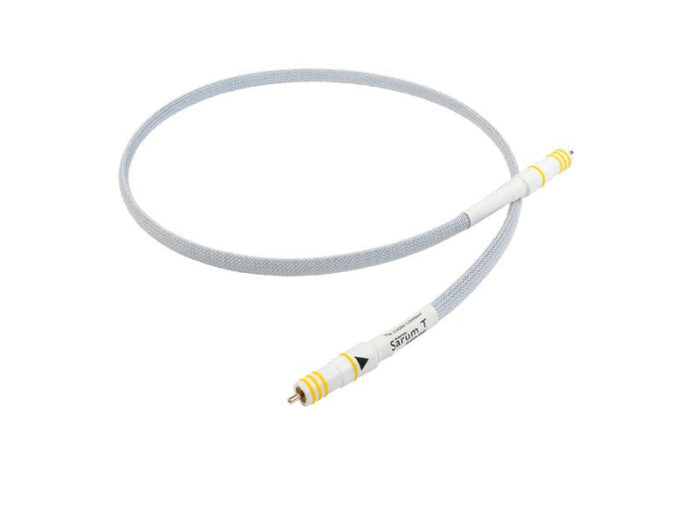
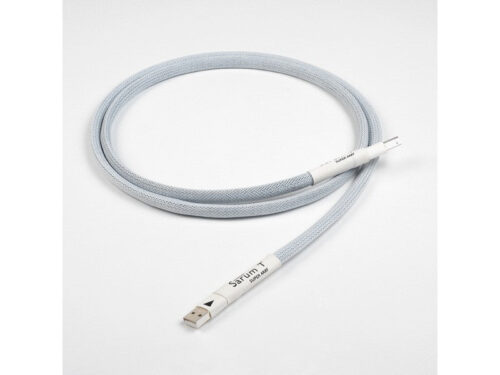
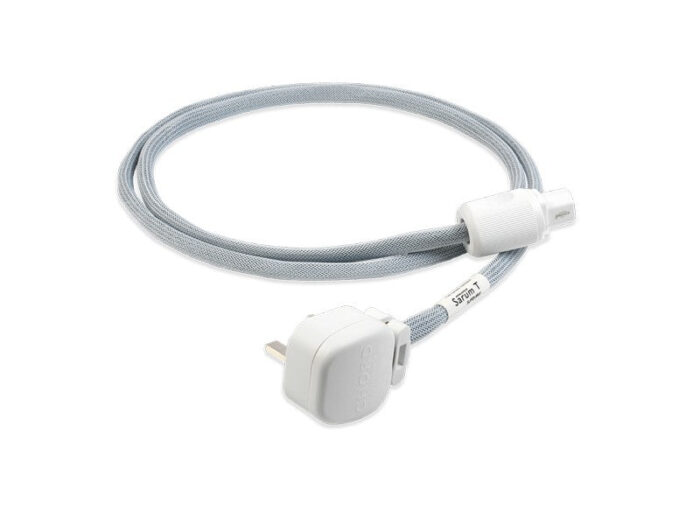
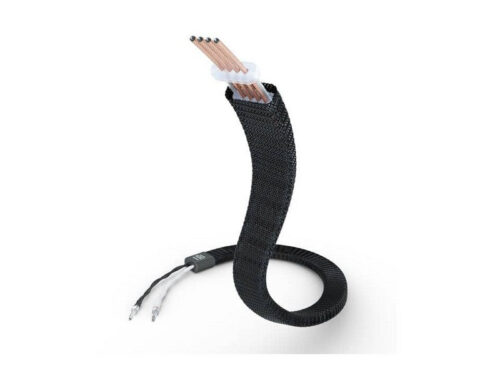
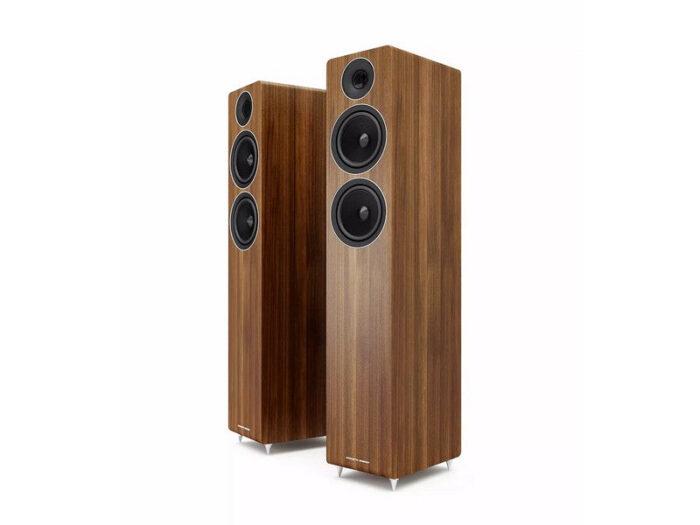
Even the most advanced equipment depends on quality cabling to function properly. Poor cables can introduce noise, signal loss or instability, while well-built cables maintain clean signal transfer and dependable performance.
Whether you’re building a new system or refining an existing setup, choosing the right cables helps ensure everything works together seamlessly.
Explore Our Cable Range
Cables connect every part of your system, allowing signals to travel between source devices, amplifiers, speakers and displays. Different cable types are designed for specific purposes, including analogue audio, digital audio, video transmission and speaker connections.
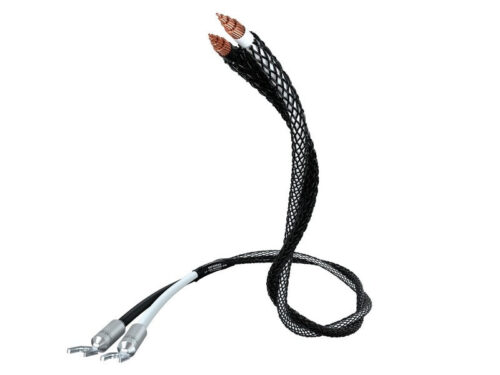
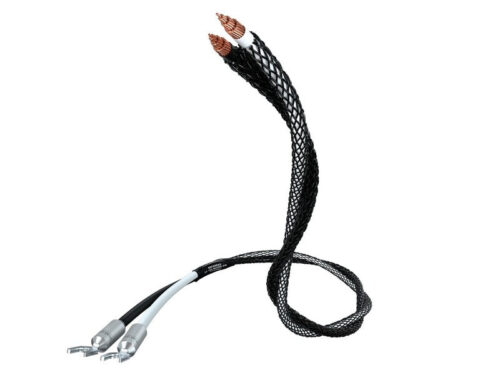
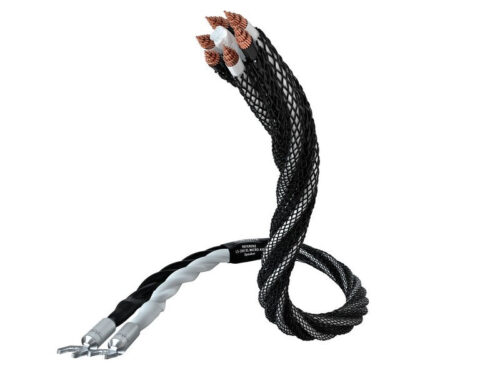
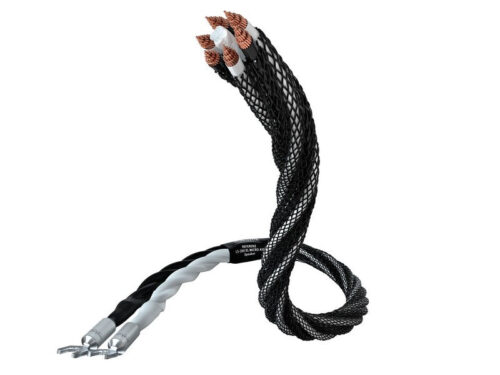
Speaker cables carry amplified signals from amplifiers to speakers. Interconnect cables link source components such as DACs, streamers or CD players. HDMI cables are used for audio-visual systems, while optical and coaxial cables handle digital audio signals.
The right cable ensures compatibility, reduces signal degradation and supports stable system performance. Build quality, shielding and proper termination all contribute to reliability and long-term use.
At Klapp AV, our cable range is selected to support high-performance systems across both hi-fi and home theatre setups.
Why Buy Cables from Klapp AV?
Klapp AV is an authorised retailer offering genuine cables from trusted audio brands. Our team understands how different systems are connected and can help you choose the right cable for your setup.
We focus on cables that offer strong build quality, reliable performance and compatibility across a wide range of equipment.
Visit our Malvern East showroom for expert advice or speak with our team for tailored recommendations. Klapp AV also offers free shipping on orders over $500, making it easy to complete your system with the right cabling.
Featured Cable Brands
Klapp AV stocks cables from leading brands known for quality and performance.
AudioQuest produces cables focused on signal integrity and build precision.
Chord Company offers high-performance cables for hi-fi and AV systems.
QED designs cables that balance performance and value.
Wireworld develops cables aimed at reducing signal loss and interference.
In-Akustik produces precision-engineered cables for high-end systems.
Van den Hul offers cables with a focus on durability and audio performance.
These brands are trusted for delivering consistent and reliable connectivity.
How to Choose the Right Cable
Choosing the right cable depends on your system and how components are connected.
- Cable Type: Match the cable to its purpose (speaker, interconnect, HDMI, etc.).
- Length: Choose appropriate length to avoid excess slack or strain.
- Shielding: Look for cables with proper shielding to reduce interference.
- Build Quality: Ensure connectors and materials are durable.
- Compatibility: Confirm connections match your equipment inputs and outputs.
Selecting the right cable ensures stable performance and clean signal transmission.
Speaker Cable vs Interconnects: What’s the Difference?
Speaker cables and interconnect cables serve different roles within an audio system.
Speaker cables carry amplified signals from an amplifier to speakers. These cables typically use thicker conductors to handle higher power levels.
Interconnect cables, on the other hand, carry low-level signals between source components and amplifiers. These include RCA, XLR or digital cables such as optical and coaxial.
Using the correct type of cable for each connection is essential. Mixing them incorrectly can result in poor performance or system issues.
Understanding the difference ensures your system is connected properly and operates efficiently.
How Much Should You Spend on Cables?
A common question is how much to invest in cables relative to your system.
In general, cables should be matched to the level of your equipment. Higher-quality systems benefit from well-constructed cables that maintain signal integrity and durability.
However, it’s not necessary to overspend. Reliable cables with solid construction and proper shielding are often sufficient for most setups.
The goal is to avoid bottlenecks in your system. Poor-quality cables can limit performance, while appropriate cables help ensure your equipment performs as intended.
Balancing quality and practicality is the best approach when selecting cables.